By Kelli Shrewsberry, Chief Innovation Officer, TECH CORPS
This fall, many schools across the country will make a choice. Some will ban AI tools from classrooms. Others will rush to integrate them, teaching students to write better prompts and generate faster answers.
Both approaches miss the point.
The issue isn’t whether students are using AI. The issue is students using AI without understanding how to question it, evaluate it, or think critically about its output. And truthfully, many adults are still learning that, too.
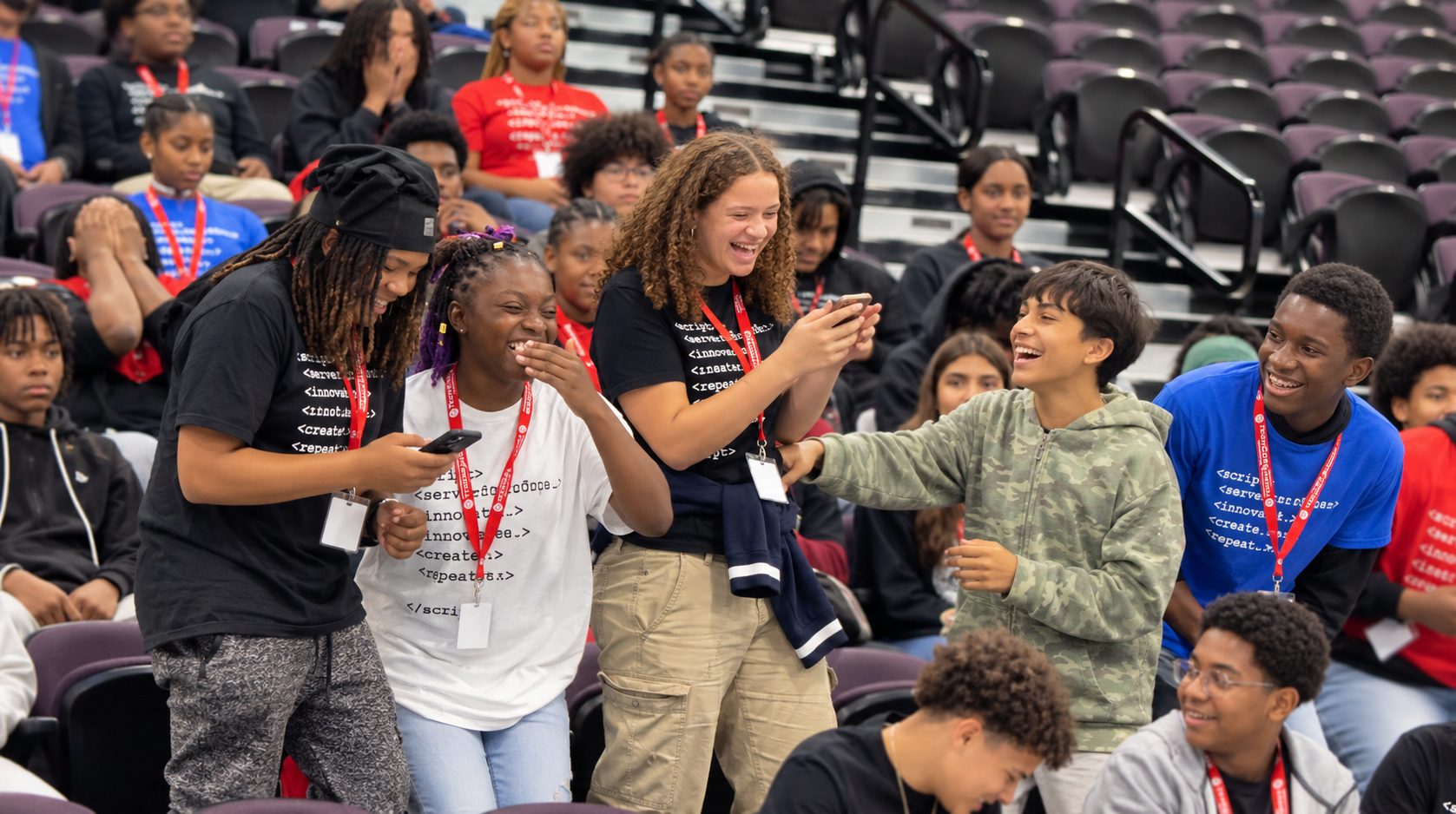
At TECH CORPS, our instructors lead hands-on technology programs for thousands of students each summer. This year, we made a deliberate decision: we wouldn’t start by teaching what AI can do.
We’d start with where AI fails.

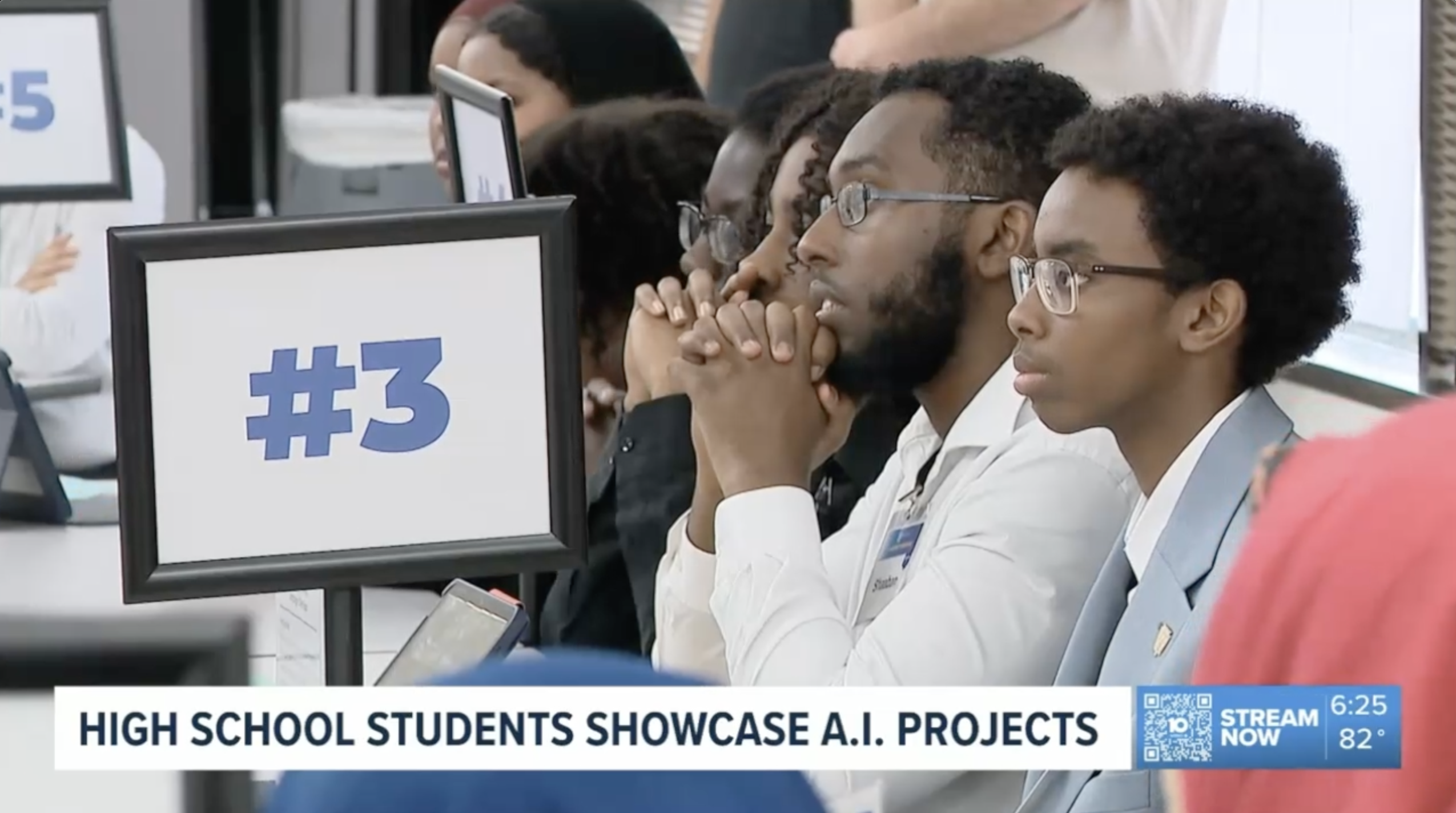
TECH CORPS students take a deeper dive into AI this summer.
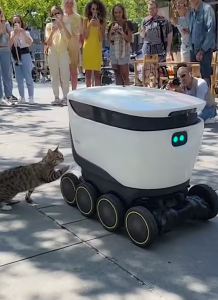
Curious cat causes catastrophe
A Robot, a Cat, and a Question
Our instructor training opened with a video. A delivery robot encounters a cat on the sidewalk. The robot stops. The cat stares. Neither moves.
Everyone laughs.
But then we asked: Why couldn’t the robot figure this out? What was it missing? What would any eight-year-old immediately understand that this system didn’t?
That’s when the real conversation started.
Throughout the week, instructors experienced the same activities that students will explore this summer. They analyzed why social media feeds show certain videos. They investigated bizarre AI image predictions. They examined how missing data leads to flawed outcomes.
During one exercise, an instructor watched an AI confidently identify a blurry image. She was impressed. Until the system misidentified a dog as a giraffe.
“Wait,” she said. “Why would it think that?”
Asking that question, or others like it, matters more than any prompt.
The Skills That Actually Matter
Much of the current conversation around AI education focuses on productivity. Faster answers. Better outputs. Efficiency.
But here’s what I’ve observed after years of watching students in our programs: the kids who thrive aren’t the ones who master the tools fastest. They’re the ones who test ideas, revise when something breaks, collaborate through frustration, and ask why before they accept an answer.
Those are human skills. And in a world increasingly shaped by artificial intelligence, they’re not becoming obsolete. They’re becoming more essential.
We should be worried about raising a generation that automatically trusts whatever a screen tells them. We should be even more worried about that than whether a sixth grader uses ChatGPT on a book report.
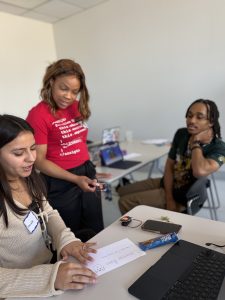
Summer instructors focus on how AI impacts students
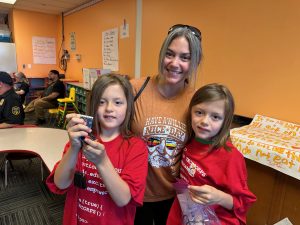
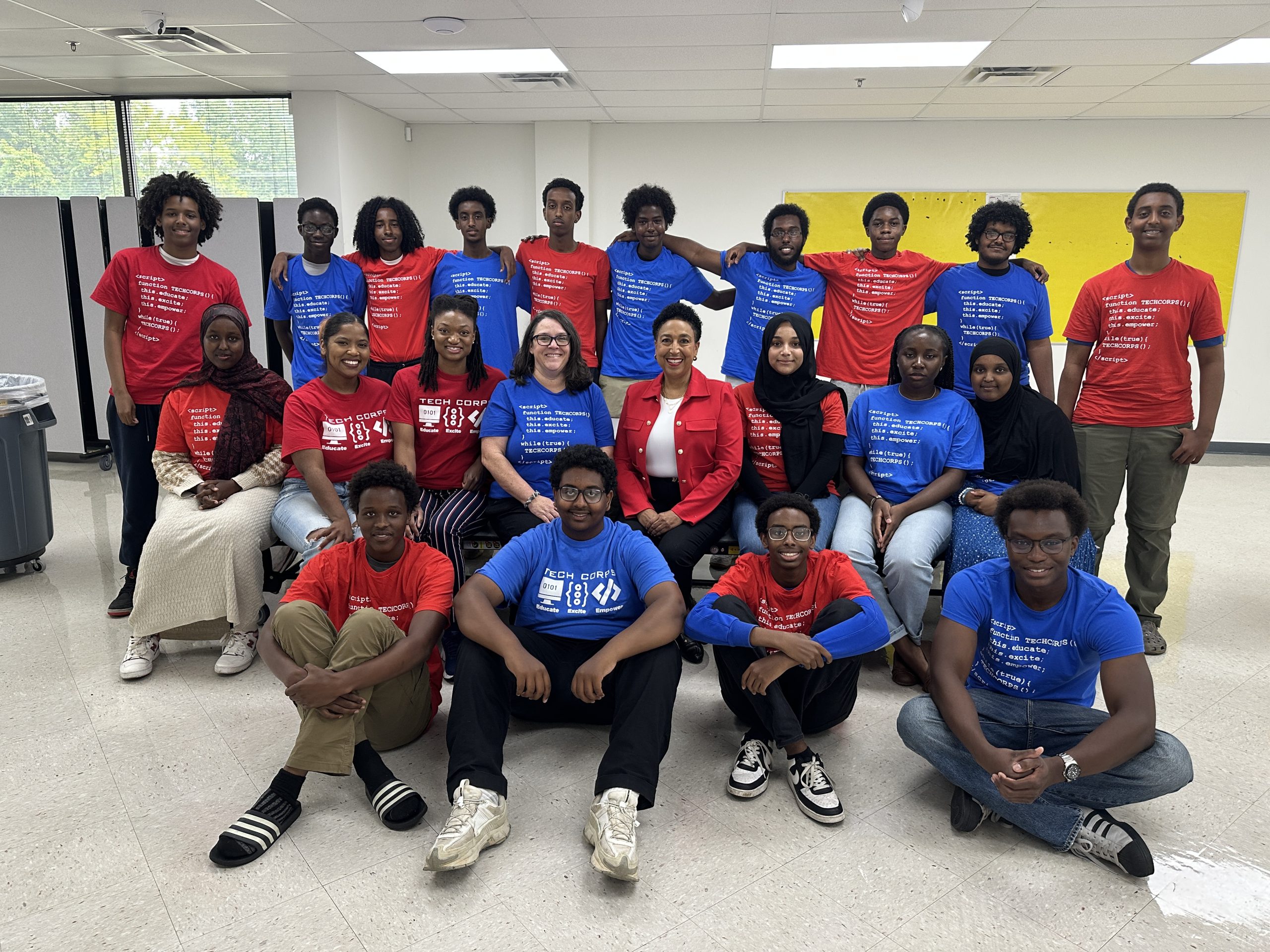
Techie Camp parents continue the conversation.
What Families Can Do Tonight
You don’t need to become an AI expert to raise a child who thinks critically about technology. You just need to stay curious alongside them.
Ask why certain videos keep appearing in their feed. Ask what information an app might be collecting. Ask what a recommendation system got right, and what it got wrong.
These aren’t technical conversations. They’re the same critical thinking conversations parents have always had. The context is just different now.
Ready for What Comes Next
Technology will keep changing. The tools students learn today will be outdated before they graduate.
But a student who knows how to question what they see? Who notices when a system fails? Who understands that faster doesn’t mean smarter?
That student is ready for whatever comes next.
We can ban AI. We can keep teaching students to use AI. Or we can focus on teaching students to think.
I think we know what matters most.
—
Educators can build their confidence in teaching technology
Franklin County Grades 6-8 educators can sign up for the two-day Tech Career Launchpad session on July 28-29 in Columbus.
Apply for the TECH CORPS Teacher Leader Network! Grades 3-8 educators are invited to the Teacher Leader Network Summer Kickoff Session on July 30 in Columbus.
Use the buttons below to learn more and register or apply.

Kelli Shrewsberry is the Chief Innovation Officer at TECH CORPS, a national nonprofit organization that works to expand access to the opportunities technology creates through hands-on, career-connected learning experiences. This summer, TECH CORPS programs will reach thousands of students across the country.